
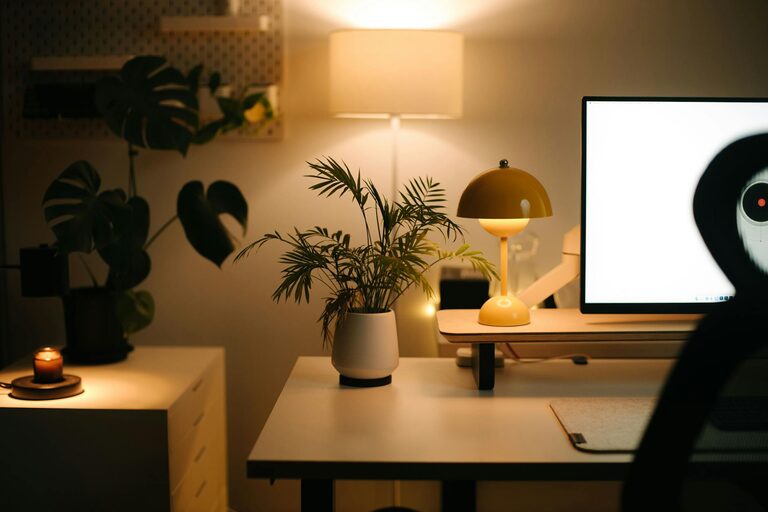
Creating a cozy and inviting home workspace is essential for maintaining focus, enhancing productivity, and enjoying your workday. When your workspace feels comfortable and welcoming, you’re more likely to stay motivated and less likely to feel stressed. Whether you work from home full-time, study remotely, or just need a designated spot for occasional tasks, these tips will help you craft a space that’s both practical and pleasant.
1. Choose the Right Location
The first step in creating an ideal home workspace is picking the right spot in your home. Consider these factors:
– Natural Light: A location near a window can boost mood and energy with natural sunlight.
– Quietness: Select a space away from high-traffic areas to minimize distractions.
– Space: Ensure there is enough room for your desk, chair, and any equipment you need.
If a separate room isn’t available, a corner in a living room or bedroom can work well with the right setup.
2. Invest in Comfortable Furniture
Comfort is key when working for extended periods. The right furniture can prevent fatigue and improve concentration.
– Ergonomic Chair: Choose a chair that supports your back and encourages good posture.
– Sized Desk: Your desk should fit your work essentials without feeling cramped.
– Footrest: A footrest can improve circulation and reduce strain on your legs.
Adjust your furniture as needed to create a setup that feels natural and relaxing.
3. Optimize Lighting
Good lighting reduces eye strain and improves clarity.
– Layered Lighting: Use a combination of ambient, task, and accent lighting.
– Task Light: A desk lamp with adjustable brightness allows you to focus the light where you need it most.
– Avoid Glare: Position your screens and lighting to reduce glare and reflections.
Whenever possible, maximize natural light, but be ready with soft, warm lighting for late afternoons and evenings.
4. Personalize Your Space
Adding personal touches makes your workspace feel inviting and uniquely yours.
– Decor: Include artwork, photos, or inspirational quotes.
– Plants: Houseplants enhance air quality and add a relaxing natural element.
– Colors: Choose calming or uplifting colors that suit your taste.
Just remember to keep decorations minimal enough to avoid cluttering your desk.
5. Keep Your Workspace Organized
A tidy workspace promotes mental clarity and efficiency.
– Storage Solutions: Use drawers, shelves, or baskets to keep supplies neatly organized.
– Desk Accessories: Items like pen holders and file trays keep everyday tools accessible but orderly.
– Digital Organization: Maintain a clean desktop on your computer and organize files regularly.
Schedule quick daily clean-ups to keep clutter at bay.
6. Minimize Distractions
Stay focused by controlling potential distractions.
– Noise Control: Use noise-canceling headphones or play calming background music.
– Separate Work Life: Keep work materials in one place to create a mental boundary between work and home life.
– Turn Off Notifications: Disable non-essential notifications during work hours.
Setting boundaries around your workspace helps maintain a productive routine.
7. Add Comfort Elements
Small comforts can make a big difference during long work sessions.
– Soft Textiles: A cozy throw or cushioned chair pad can improve comfort.
– Temperature Control: Use a fan or heater to maintain a pleasant room temperature.
– Water and Snacks: Keep a water bottle and nutritious snacks nearby to stay hydrated and energized.
Making your workspace a nurturing environment supports wellbeing throughout the day.
8. Incorporate Technology Thoughtfully
Technology should serve your needs without overwhelming your space.
– Cable Management: Use clips or sleeves to keep cords tidy and out of sight.
– Quality Equipment: Invest in reliable devices like a good monitor, keyboard, and mouse to reduce strain.
– Backup Plans: Consider having surge protectors and regularly saving your work to avoid disruptions.
A well-organized tech setup keeps your workflow smooth.
—
Creating a cozy and inviting home workspace is all about balancing comfort, functionality, and personal style. With these tips, you can design a workspace that feels welcoming and helps you do your best work every day. Remember, the best workspace is one that adapts to your unique needs, so feel free to experiment and adjust as you settle into your routine.