Working from home can be a great way to balance your professional and personal life, but a cluttered workspace often stands in the way of productivity. Organizing your home office doesn’t have to be complicated or expensive — with some straightforward steps, you can create an environment that supports focus, creativity, and efficiency. In this post, we’ll explore effective tips for designing a clutter-free and productive home workspace.
Why a Clutter-Free Workspace Matters
A tidy workspace helps reduce distractions, lowers stress, and makes it easier to find what you need quickly. When your desk or work area is organized, your mind can focus on tasks instead of the mess around you. This can lead to better work outcomes and a more enjoyable work-from-home experience.
Step 1: Choose the Right Location
Before organizing, pick a space in your home that suits your work style. Consider:
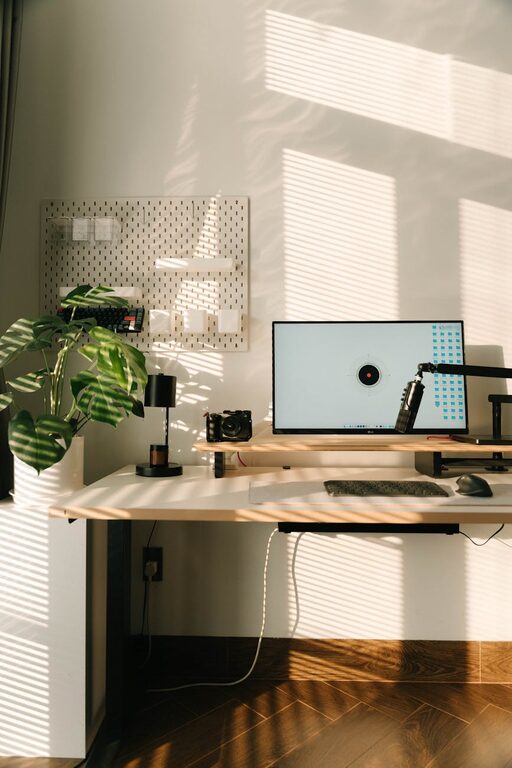
– Natural Light: Try to select a spot near a window. Natural light enhances mood and helps reduce eye strain.
– Minimal Distractions: Choose a quiet area away from household hustle and bustle.
– Accessibility: Your workspace should be easy to get to, but not in a high-traffic zone where interruptions are frequent.
Step 2: Declutter and Sort
Start by clearing everything off your desk or work surface. Use the following approach:
– Sort Items into Categories: For example, paperwork, electronics, office supplies, personal items.
– Decide What to Keep: Keep only what you use daily or frequently. Place less-used items in storage or another location.
– Discard or Donate: Recycle papers you no longer need and donate or toss unnecessary items.
Decluttering frees up valuable space and simplifies your setup.
Step 3: Organize with Containers and Storage Solutions
Keeping items contained and orderly is key:
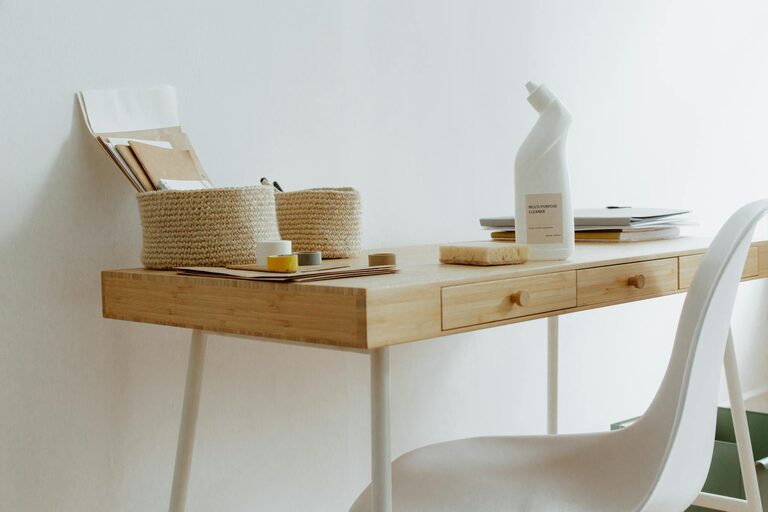
– Desk Organizers: Use trays, pen holders, or small bins to keep supplies tidy.
– Drawer Dividers: These help separate types of items like stationery or cables.
– Shelves and Filing Cabinets: Store books, binders, and important documents neatly.
– Cable Management: Use clips, ties, or cable boxes to keep cords from tangling or cluttering your desk.
Label containers and folders to make finding things quicker and easier.
Step 4: Optimize Your Desk Setup
How you arrange your workspace affects comfort and efficiency:
– Keep Daily Essentials Within Reach: Place your computer, notebook, and frequently used supplies close at hand.
– Maintain Clean Surfaces: Leave some free space on your desk to write or work without obstruction.
– Ergonomics Matter: Use a comfortable chair and position your computer screen at eye level to avoid strain.
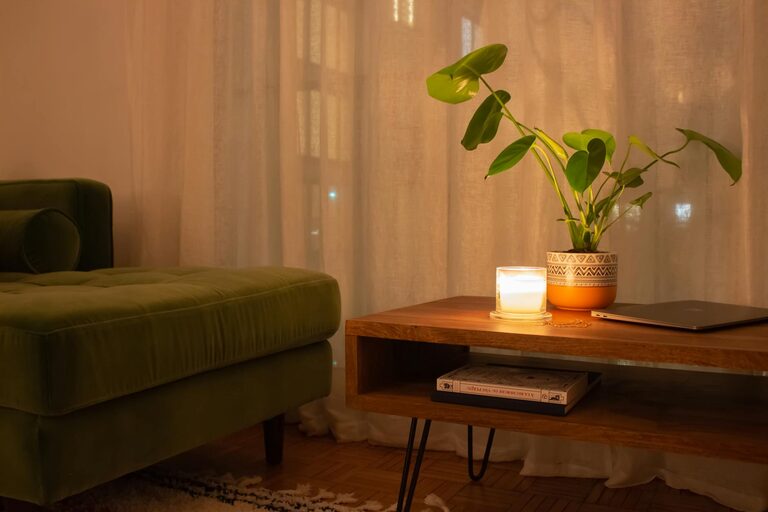
Consider personalizing your area with a plant or a picture, but keep decorations minimal to avoid distractions.
Step 5: Implement a Filing System
Managing paperwork is a major challenge for many home workers. Try these methods:
– Digital Storage: Scan important papers and organize them in clearly named folders on your computer or cloud storage.
– Physical Files: Use a filing cabinet or accordion file labeled by category (bills, work projects, receipts).
– Daily Paper Routine: Set aside time each day to sort new documents, filing or discarding them promptly.
A well-maintained filing system saves time and reduces clutter.
Step 6: Create a Cleaning and Maintenance Routine
An organized space requires ongoing effort. Keep your workspace productive by:
– Daily Tidying: Spend 5-10 minutes at the end of each day putting things away.
– Weekly Deep Clean: Wipe surfaces, empty trash, and organize any accumulated clutter.
– Periodic Review: Every month, reassess your storage solutions and declutter as needed.
Consistency will help maintain a clutter-free and inviting workspace.
Step 7: Manage Your Time and Tasks Effectively
Organization is not just about physical space but also about managing your workflow:
– Use a Planner or Digital Calendar: Keep track of deadlines and appointments.
– Prioritize Tasks: Focus on important and urgent items first to reduce stress.
– Break Tasks Into Steps: Smaller, manageable steps can make work less daunting.
A clear task management system complements your physical organization and boosts productivity.
Final Thoughts
Creating a clutter-free and productive home workspace takes intentional planning but pays off in improved focus and work quality. Remember to choose a suitable location, declutter regularly, use smart storage, and develop good habits for cleaning and time management. With these effective tips, you’ll enjoy a workspace that supports your best work while feeling comfortable and inviting.
Give these strategies a try, and watch how your home workspace transforms into a place of clarity and success. Happy organizing!