
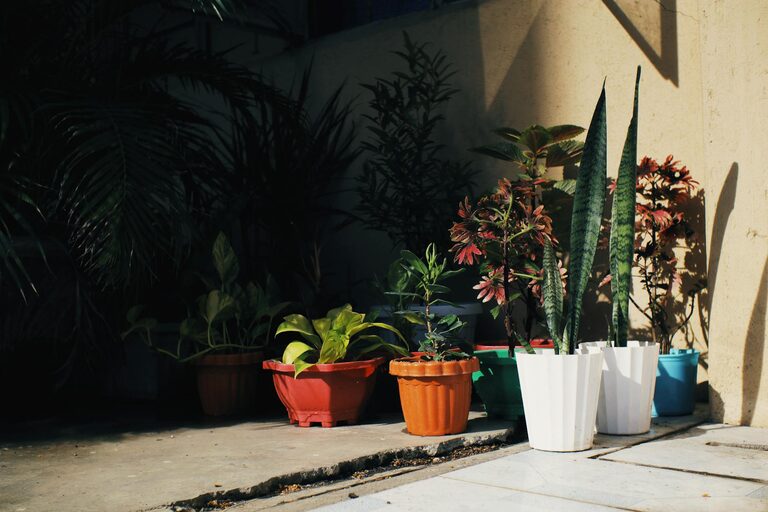
Creating a garden that flourishes throughout the year is a rewarding project that brings beauty, relaxation, and even fresh produce right to your doorstep. Whether you have a large backyard or a small balcony, with thoughtful planning and care, you can enjoy an engaging home garden in every season. This guide provides practical tips to help you design, plant, and maintain a garden that thrives year-round.
Planning Your Year-Round Garden
Understand Your Climate and Zone
The first step is to learn about your local climate and gardening zone. These factors determine which plants will grow best and when to plant them. Many resources, such as the USDA Plant Hardiness Zone Map or your local extension office website, offer detailed information about your area.
Choose a Variety of Plants
Select a mix of plants that bloom, bear fruit, or offer visual interest in different seasons. Including evergreens, flowering perennials, annuals, and vegetables that mature at various times can keep your garden colorful and productive throughout the year.
Map Out Your Garden Space
Create a garden layout that maximizes sun exposure for sun-loving plants and provides shade for those that prefer it. Incorporate paths and seating areas to make your garden inviting and easy to maintain.
Selecting Plants for Year-Round Interest
Spring Plants
Bulbs like tulips, daffodils, and crocuses provide early color. Leafy greens and herbs can also be started in cool spring conditions.
Summer Plants
Plant heat-loving flowers like marigolds, zinnias, and sunflowers. Warm-season vegetables such as tomatoes, peppers, and beans will thrive in summer sun.
Fall Plants
Chrysanthemums and asters add vibrant fall blooms. Cool-weather vegetables like kale, spinach, and carrots are great fall choices.
Winter Plants
Evergreens like boxwood and holly offer greenery in winter. Certain ornamental grasses and berries provide texture and color during cold months.
Soil Preparation and Maintenance
Healthy soil is the foundation of a thriving garden.
– Test Your Soil: Check pH levels and nutrient content using a soil test kit.
– Amend as Needed: Add organic matter such as compost or aged manure to improve fertility and drainage.
– Mulch Regularly: Mulching helps retain moisture, suppress weeds, and regulate soil temperature year-round.
Watering and Irrigation Tips
Consistent watering is critical but avoid overwatering.
– Water Early or Late: Water your plants in the early morning or late evening to minimize evaporation.
– Use Drip Irrigation: This method delivers water directly to the roots, reducing waste.
– Adjust Seasonally: Plants may need more water during hot months and less when cooler.
Pest and Disease Management
Keeping pests and diseases under control ensures your garden stays healthy.
– Encourage Beneficial Insects: Ladybugs, lacewings, and bees help pollinate plants and control pests naturally.
– Practice Crop Rotation: Change planting areas each season to reduce disease build-up.
– Inspect Regularly: Look for signs of pests or diseases and act promptly with organic or chemical treatments as appropriate.
Seasonal Garden Tasks
– Spring: Clean garden beds, prune dead branches, and plant new seedlings.
– Summer: Deadhead flowers to encourage continued blooming; harvest vegetables frequently.
– Fall: Clear fallen leaves, divide perennials, and plant bulbs for spring.
– Winter: Protect sensitive plants with covers or move pots indoors; plan next year’s garden.
Enhance Your Garden Space
Adding features can make your garden more engaging and enjoyable.
– Pathways and Borders: Define areas with stones or edging materials.
– Seating Areas: A bench or small table invites you to relax and enjoy your garden.
– Lighting: Solar or LED lights extend garden enjoyment into the evening.
– Garden Art: Sculptures, bird baths, or wind chimes add personality and charm.
Sustainable Gardening Practices
Embrace eco-friendly methods to support a healthy environment.
– Composting: Recycle garden waste to enrich your soil naturally.
– Rainwater Harvesting: Collect rainwater to use in watering plants.
– Native Plants: Choose species adapted to your local environment for lower maintenance.
Final Thoughts
Growing a home garden that thrives year-round takes planning and care, but the results are well worth the effort. By selecting diverse plants, preparing your soil properly, and staying attentive to seasonal needs, you can create a beautiful, engaging outdoor space that brings joy throughout every season. Happy gardening!